ADVERTISEMENT
—
## 🍽️ When Presentation Matters
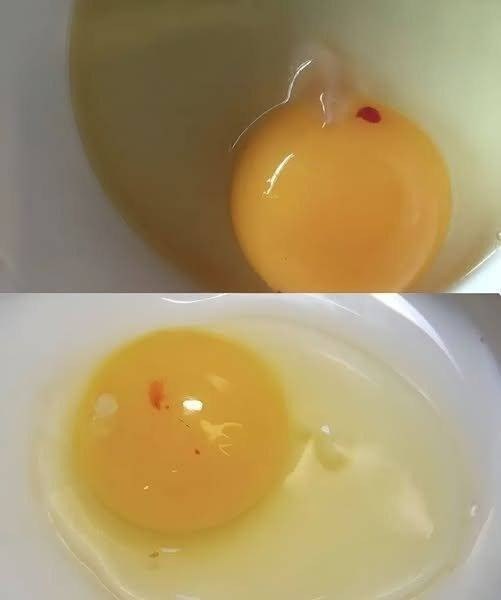
If you’re serving eggs where appearance counts (e.g., poached or sunny-side-up), and you see red spots, here’s how to handle them:
1. **Crack egg into a bowl first.**
2. **Remove any visible spot with a spoon.**
3. **Pour egg into the pan.**
This helps ensure a picture-perfect breakfast without wasting good eggs.
—
## 🧠 Final Verdict: Should You Worry?
**Not really.** Those red or brown spots are typically harmless blood or tissue remnants that occur naturally — and most of the time, they’re safe to eat as long as the rest of the egg looks and smells normal.
* They are *not* a sign of spoilage.
* They *don’t* make eggs unsafe.
* They *do* sometimes bother people cosmetically, but can be removed easily.
Eggs remain one of the most versatile, nutritious, and affordable foods — and a little blood spot shouldn’t stop you from enjoying them!Groceries
—
## 🍳 Quick Summary
| Question | Answer |
| ————————————– | ———————————————– |
| **Are red spots dangerous?** | No, usually safe to eat. |
| **Do they mean the egg is spoiled?** | No, unless other signs of spoilage are present. |
| **Can I remove them?** | Yes, easily. |
| **Do they affect taste or nutrition?** | No. |
| **Should I discard the egg?** | Only if it smells bad or has other issues. |
—
## 💬 Parting Thoughts
Next time you see one of those red spots, don’t panic. Think of it as a natural quirk of farm life — like a personality trait in an egg. With the right understanding, a bit of kitchen know-how, and a willingness to experiment, those tiny spots won’t ruin your meal — and might even make your breakfast routine a little more interesting.
Have you ever found a red spot in your egg? Share your experience or tips below! 🍳👇
