ADVERTISEMENT
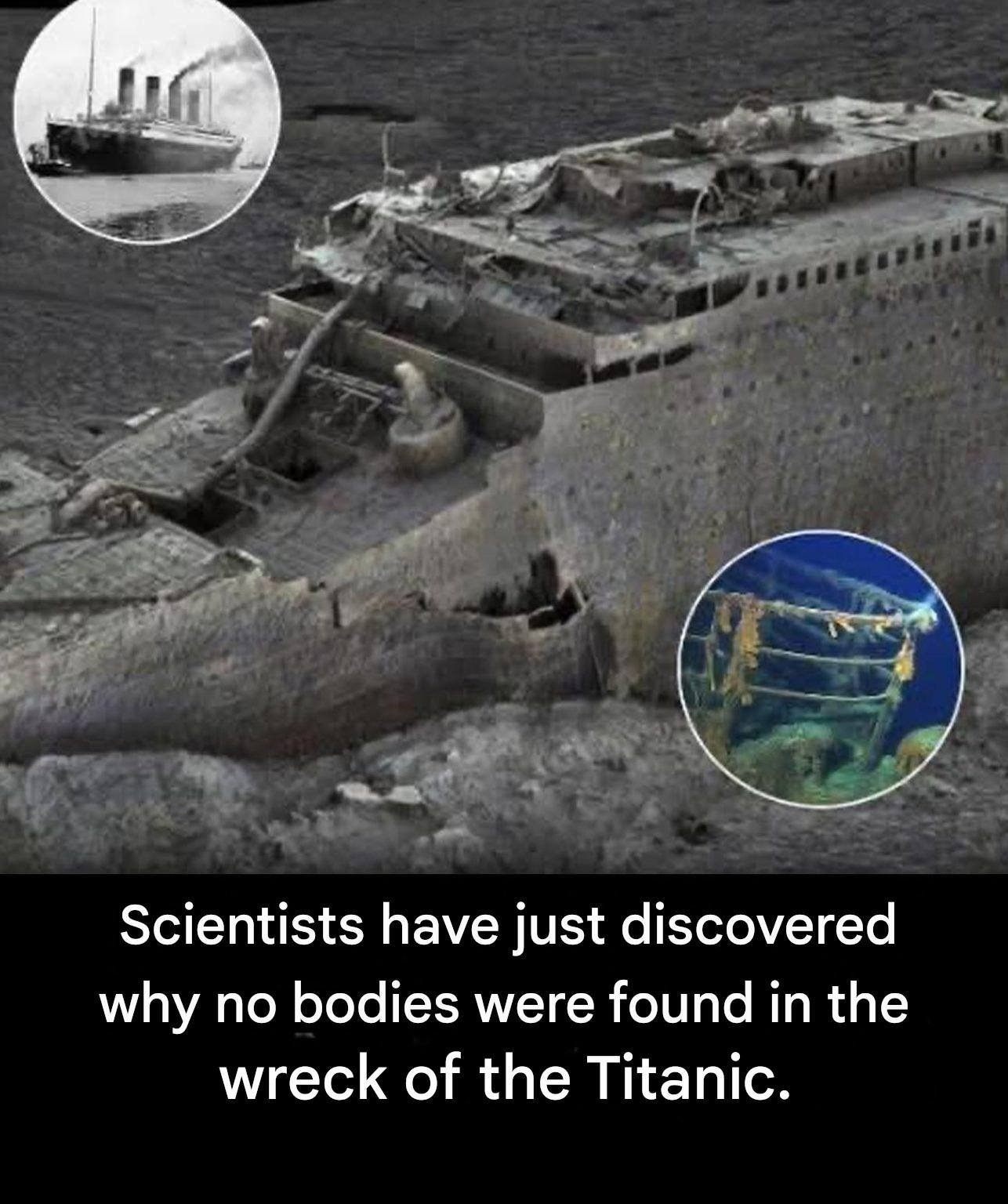
This is the full story of what happened to the bodies of the Titanic’s victims, and why none remain today.
The Titanic Disaster: A Brief Context
On the night of April 14, 1912, the RMS Titanic, the largest and most luxurious ship of its time, struck an iceberg during its maiden voyage from Southampton to New York. Two hours and forty minutes later, the ship broke apart and sank.
More than 1,500 people died, either:
Trapped inside the ship
Thrown into the freezing Atlantic
Lost when lifeboats could not reach them in time
The water temperature was approximately -2°C (28°F)—below freezing due to salinity. Most victims died within minutes from hypothermia or drowning.
In the days following the disaster, recovery ships retrieved over 300 bodies from the ocean’s surface. Many were buried at sea; others were taken to Halifax, Nova Scotia, for identification and burial.
But the vast majority of victims were never recovered.
Where the Wreck Lies: An Extreme Environment
To understand why no bodies remain, we must first understand where the Titanic rests.
The Depth
The wreck lies about 12,500 feet (3,800 meters) below the surface of the Atlantic Ocean.
At this depth:
Sunlight does not penetrate
Temperatures hover just above freezing
Pressure exceeds 6,000 pounds per square inch
The environment is pitch-black, cold, and crushing
This is not a place where the human body can persist indefinitely.
Immediate Fate of Those Inside the Ship
When the Titanic sank, hundreds of people were still inside. Some were trapped in cabins or corridors. Others were in engine rooms or lower decks. When the ship broke apart and descended rapidly, those inside experienced extreme forces.
