ADVERTISEMENT
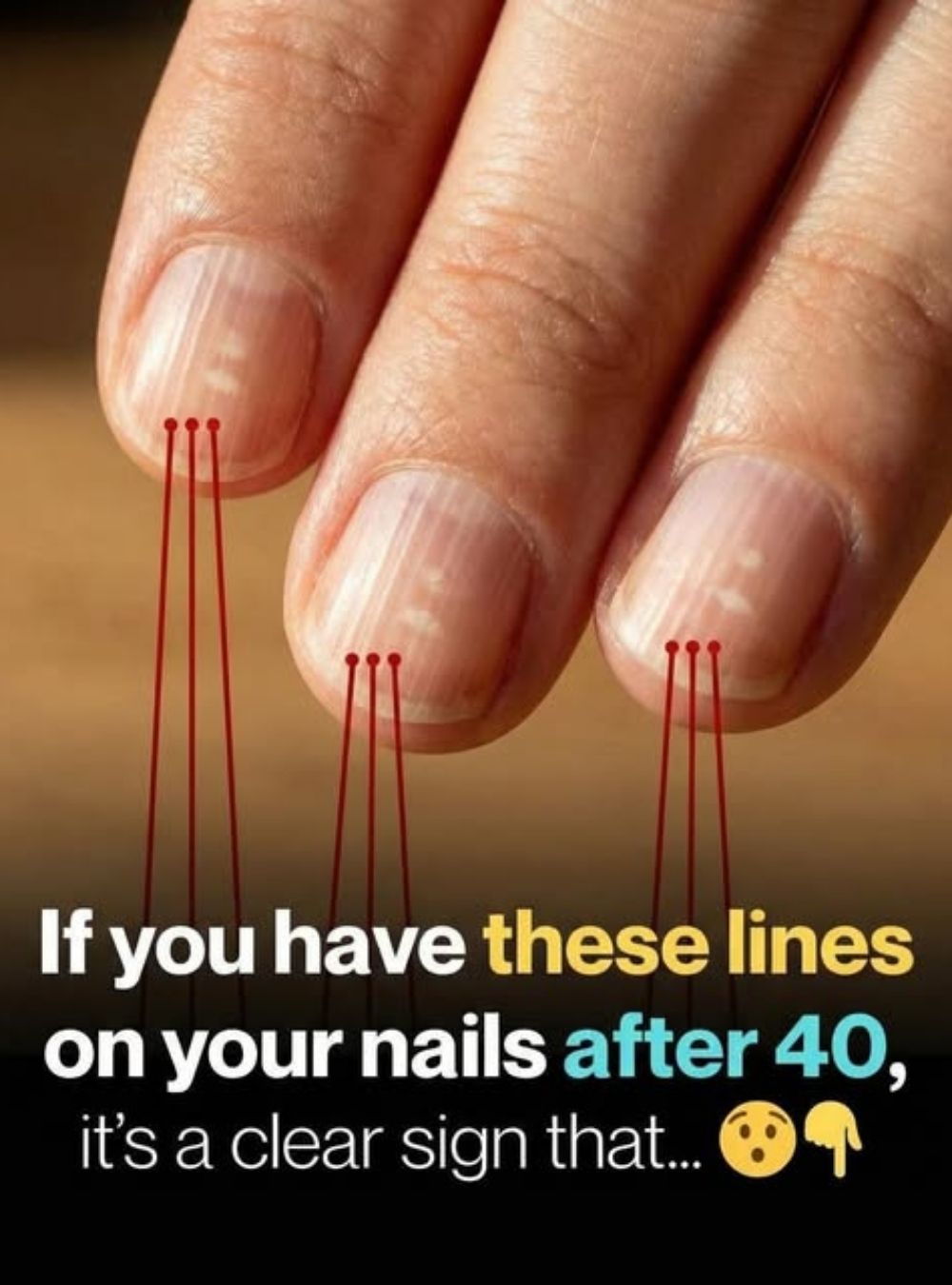
Other age-related factors can influence how pronounced these lines become. Minor changes in circulation, hydration levels, or nutrient absorption may affect nail texture over time. Hormonal shifts that occur naturally with aging can also play a role. Because nails rely on a steady supply of oxygen and nutrients through the bloodstream, even small changes can gradually show up in their appearance. While vertical ridges are typically harmless, sudden or severe changes—especially if accompanied by pain, discoloration, or other symptoms—may be worth discussing with a healthcare professional.
Supporting nail health as you age is largely about consistency and protection. Regularly moisturizing your hands and cuticles helps reduce dryness and can soften the appearance of ridges. Wearing gloves during cleaning or dishwashing protects nails from harsh chemicals and excess moisture. Gentle filing in one direction helps prevent splitting, while staying hydrated and maintaining a balanced diet supports healthy nail growth from within. In most cases, vertical nail lines are simply a normal sign of aging—and a reminder that nails, like the rest of the body, tell a story of time and car
