ADVERTISEMENT
🗳️ Voting Rights and Voter Access
At a time when discussions about voting laws and voter ID requirements are happening nationwide, California’s courts made it clear that expanding barriers to voting — even with voter support — is not permissible if it conflicts with state law protections. For many voting rights advocates, this is an affirmation that the right to vote should be protected uniformly across the state, free from added local hurdles.
📜 State Authority Over Elections
The ruling underscores that elections — especially the conditions under which ballots are cast — are fundamentally a statewide concern, not only a municipal one. While local officials can manage practical aspects of elections, they cannot override statewide legal frameworks designed to ensure uniform voter treatment and access.
🏛️ Local Autonomy vs. State Oversight
Supporters of local control argue that communities should be able to tailor elections to local needs. Opponents worry that patchwork rules could create confusion, unequal access, or even disparate impact on voters in different cities. The Supreme Court’s decision reinforces the idea that, when it comes to fundamental voting procedures, the state’s role is dominant.
Different Views from Across the Political Spectrum
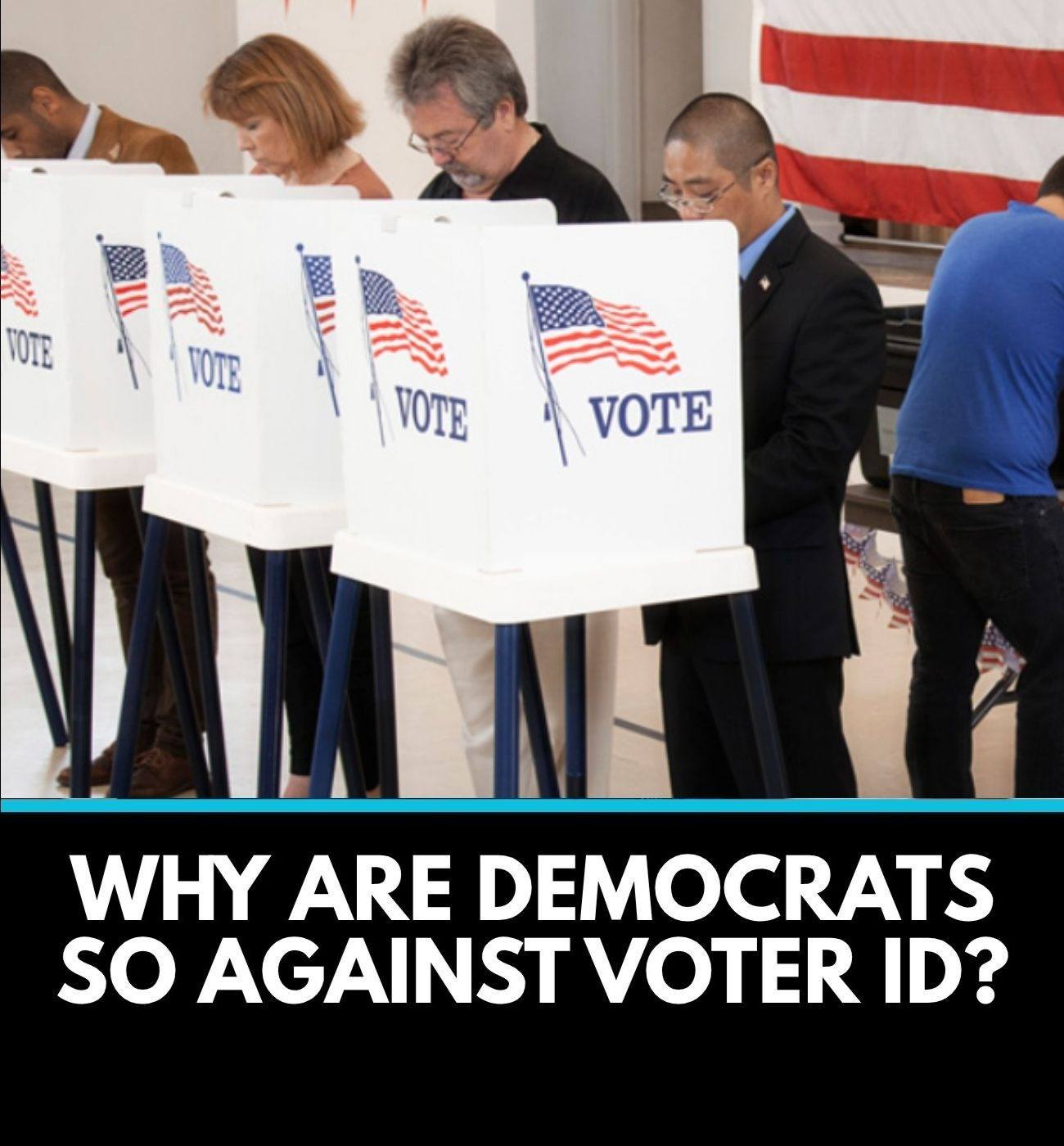
Supporters of the ruling argue that eliminating voter ID requirements in local elections preserves voting access and prevents unnecessary barriers. They note that California already requires identity verification as part of voter registration and argue that additional requirements at the polls would serve little purpose other than to discourage participation among certain demographic groups.
Opponents of the ruling, including local officials in Huntington Beach, saw the voter ID requirement as a reasonable measure to bolster confidence in election outcomes. They maintain that voters themselves approved the charter change and should not be prevented from implementing it simply because some state leaders disagree. To them, the Supreme Court decision is less about law and more about political control.
What unites both sides is the belief that this legal clash is about more than just Huntington Beach’s elections — it’s a debate over who gets to shape voting policy in a diverse state like California.
Broader National Context
While this fight unfolded in California, similar debates are happening nationwide. States across the country have passed or considered voter ID laws, with supporters arguing they protect election integrity and opponents warning they suppress turnout among historically underrepresented groups.
California’s decision, in contrast to states that have adopted voter ID requirements, shows how different political and legal cultures shape election law outcomes. It also adds to a larger national dialogue about how best to balance security, access, and voter confidence.
What Happens Next?
With the California Supreme Court’s refusal to reinstate the voter ID law:
Measure A’s ID provision will remain invalid, and Huntington Beach cannot proceed with requiring ID to vote in municipal elections.
Future local efforts to enact similar voter ID measures will almost certainly face legal challenges unless state law changes.
Lawmakers who supported statewide prohibitions on local voter ID laws will likely feel vindicated and may push for related reforms in other areas of election policy.
For advocates on both sides, this case will continue to be cited in future legal fights over voter access and election standards.
Conclusion
The California Supreme Court’s refusal to reinstate a city voter ID requirement in Huntington Beach is a pivotal moment in the ongoing national debate over election laws. It confirms a fundamental principle: statewide protections for voting rights have supremacy over local ordinances that would add restrictions.
Whether you see this decision as a safeguard for voter access or as an overreach against local choice, there’s no doubt that it will shape how election law cases are litigated in California for years to come — and potentially influence similar battles in other states.
