ADVERTISEMENT
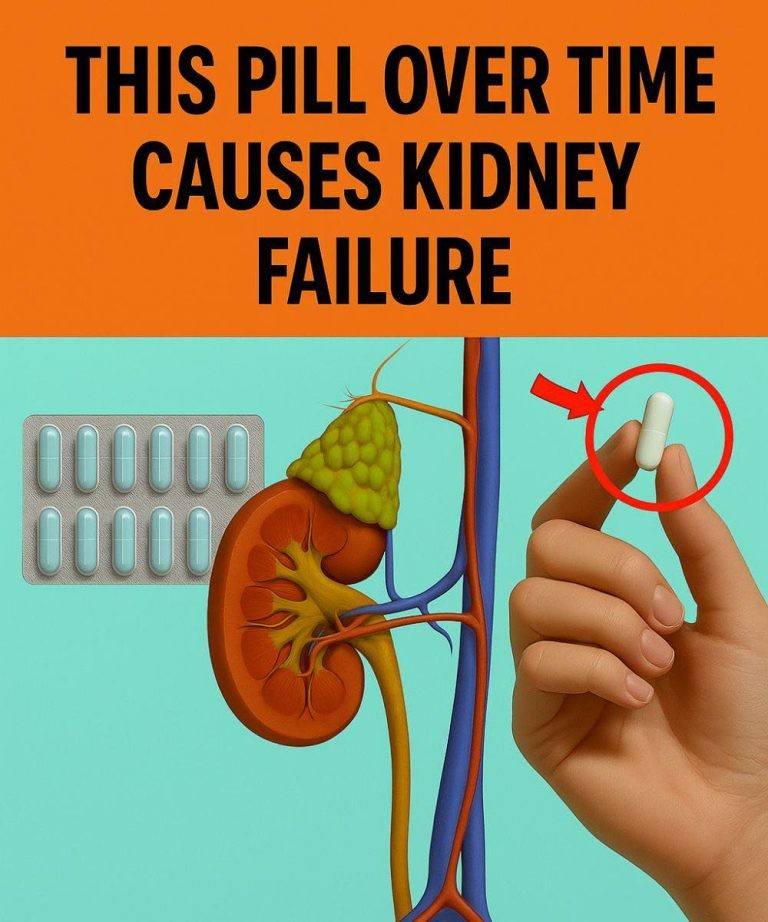
Many people take medications or supplements every day without giving them a second thought. After all, if something is sold over the counter or recommended by a friend, it must be safe… right? Not always. Health experts warn that certain commonly used substances may quietly strain your kidneys, especially when taken frequently or without medical guidance.
Why Kidney Health Matters
Your kidneys act as the body’s natural filtration system. They remove waste, balance fluids, regulate blood pressure, and help maintain healthy electrolyte levels. When kidneys are overworked or damaged, problems can develop slowly — often without obvious symptoms until the damage becomes serious.
Common Substances Linked to Kidney Stress
Doctors and researchers have identified several everyday products that may affect kidney function in some people:
Pain relievers (NSAIDs): Frequent or long-term use of medications like ibuprofen or naproxen can reduce blood flow to the kidneys.
Certain supplements: High doses of protein powders, creatine, or herbal supplements may place extra strain on the kidneys, particularly in people with underlying conditions.
Excessive vitamins: Fat-soluble vitamins or large doses of vitamin C can sometimes contribute to kidney stone formation.
Dehydration-related products: Diuretics, caffeine-heavy drinks, and some weight-loss aids may worsen dehydration, increasing kidney stress.
Who Is Most at Risk?
Kidney damage doesn’t affect everyone equally. You may be at higher risk if you:
Have diabetes or high blood pressure
Are over 60 years old
Take multiple medications daily
Have a history of kidney disease
Don’t drink enough water regularly
Warning Signs to Watch For
Kidney issues often develop silently, but possible warning signs include:
Swelling in the hands, feet, or face
Fatigue or weakness
Changes in urination (frequency, color, or pain)
Lower back or side pain
Persistent nausea
If you notice these symptoms, it’s important not to ignore them.
What You Should Do
Never exceed recommended doses of medications or supplements
Read labels carefully, especially combination products
Stay hydrated throughout the day
Discuss long-term use of any medication or supplement with your doctor
Get regular blood and urine tests if you’re at risk
The Bottom Line
Just because something is common doesn’t mean it’s harmless. Some medications and supplements can quietly affect your kidneys over time, especially when used incorrectly or without medical supervision. If you take anything regularly — even natural products — it’s wise to consult your doctor and make kidney health part of the conversation.
Your kidneys work hard for you every day. Taking a moment to protect them can make a lifelong difference.
If you want, I can also rewrite this as a short, attention-grabbing viral article or focus it on a specific medication or supplement category (painkillers, vitamins, weight-loss aids, etc.). Just tell me the direction you want.
