ADVERTISEMENT
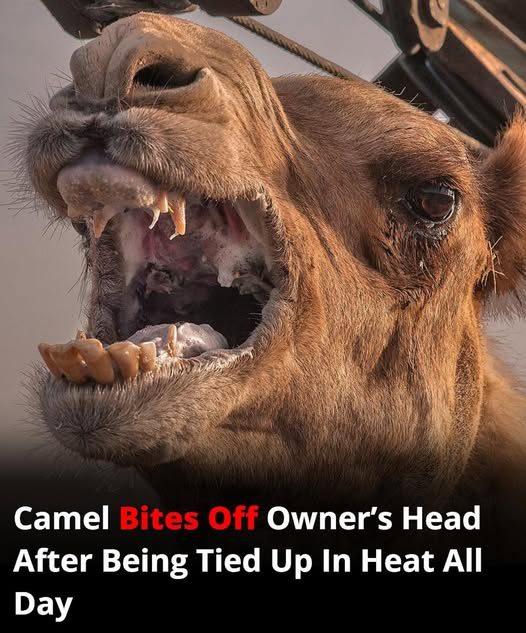
In the sweltering expanse of the Thar Desert, where the horizon shimmers with a heat so oppressive it challenges even the most seasoned inhabitants, a harrowing incident unfolded in 2016 that would reverberate far beyond the borders of India. This was far more than a routine report of a livestock mishap; it was a visceral, tragic cautionary tale regarding the lethal intersection of extreme climate, animal psychology, and the heavy mantle of responsibility that comes with husbandry. The setting was the Barmer district of Rajasthan—a region defined by its punishing aridity and a culture inextricably linked to the livestock that make life possible in the dunes. While the locals are accustomed to the sun’s bite, the conditions on the day of the tragedy were exceptional, even by Rajasthani standards. According to meteorological data from that period, temperatures had surged past a blistering 109°F (43°C). In such a climate, shade and water are not merely comforts; they are the thin line between life and death. Yet, for one particular camel, the day was spent tethered in the unforgiving, direct glare of the sun, unable to seek refuge or reprieve for several hours.
A Fatal Oversight
The camel was owned by a local villager named Urjaram. Reports from The Times of India and other national outlets indicate that Urjaram’s attention was diverted that day by social obligations. While hosting guests at his home, the pressing demands of hospitality seemingly caused him to lose track of time—and with it, the welfare of the powerful animal tied up outside.
Eyewitnesses would later recount that the camel’s descent into distress was visible long before the situation turned fatal. Throughout the afternoon, the animal was observed pacing restlessly and vocalizing in a manner that suggested a state of high agitation.
Veterinarians note that these are the classic markers of heat stress and severe dehydration. When a creature as large and sentient as a camel is pushed to its physiological limit while physically restrained, the resulting psychological “snap” can be explosive.
The Breaking PointContinue reading…
By the time Urjaram finally remembered his animal and approached to untie the lead, the camel had transitioned from discomfort to a state of panicked, erratic behavior. As he reached for the ropes, the animal—ordinarily a symbol of desert patience—reacted with a sudden and violent outburst.
The attack was so swift and ferocious that bystanders were left powerless to intervene. The “Ship of the Desert” had, in its agony, turned on its captain.
