ADVERTISEMENT
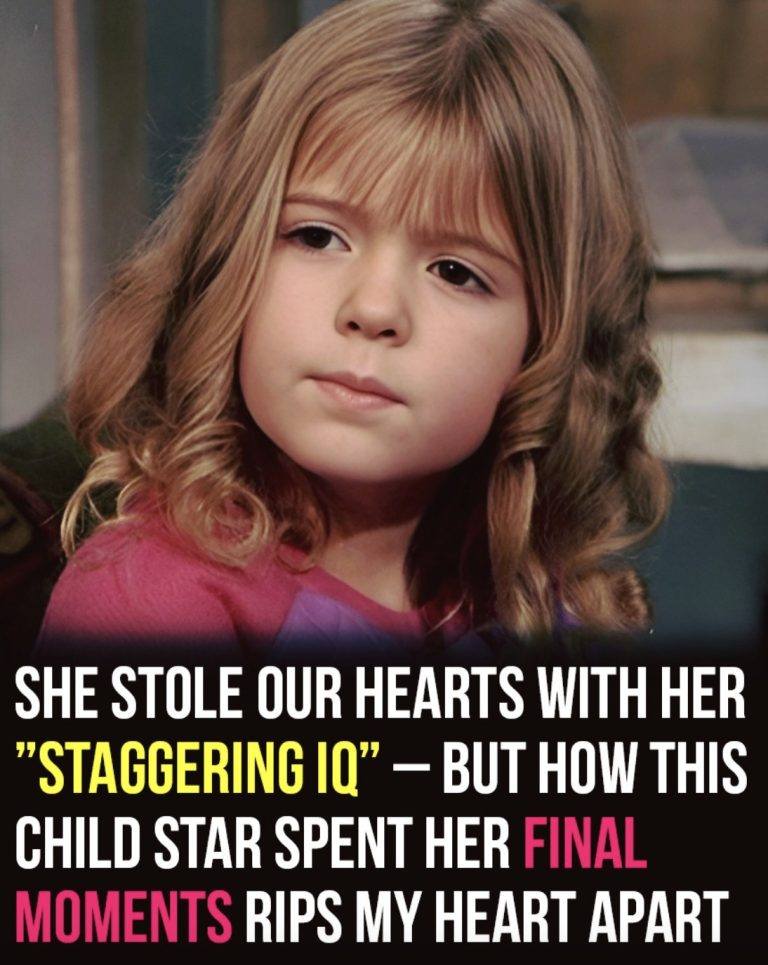
Hollywood often treats young performers as commodities—valued for their marketability but ill-equipped to support their emotional development. For children like Andersen, the line between work and identity blurred early. Fame came before self-understanding, and expectations replaced childhood freedom.
As she grew older, roles became harder to find. The transition from child actor to teenage performer proved difficult, and opportunities slowed. Like many former child stars, Andersen faced the painful reality of being remembered for who she once was, rather than embraced for who she was becoming.
A Difficult Home Life
Behind the scenes, Bridgette Andersen’s personal life was far from stable. Reports later revealed that she experienced neglect and abuse during her upbringing. Her mother struggled with addiction, and Andersen was exposed to an environment that lacked the consistency and safety every child needs.
In many ways, Savannah Smiles mirrored Andersen’s real life more than audiences ever realized. The film’s theme of a child seeking escape and connection reflected her own longing for stability and care.
Without strong guidance or a reliable support system, Andersen entered adolescence carrying unresolved trauma. Fame had not protected her from pain—it had, in some ways, amplified it.
Losing Her Way After Fame
As Bridgette Andersen moved into her teenage years, Hollywood largely moved on. The industry that once celebrated her smile no longer had a place for her. The sudden absence of attention, combined with an unstable personal life, created a dangerous void.
She struggled with substance abuse at a very young age, reportedly beginning in her early teens. Drugs became a way to cope with emotional pain, rejection, and the loss of identity that often follows childhood fame.
Unlike adult actors, child stars rarely have the tools to process failure or abandonment. Andersen had spent her formative years being told she was special—then suddenly found herself invisible.
A System That Failed Her
Bridgette Andersen’s downward spiral was not the result of a single mistake, but a series of failures—by adults, by systems, and by an industry that often prioritizes profit over protection.
There were few safeguards in place for child actors in the 1980s. Mental health care was rarely discussed, and substance abuse among young performers was often hidden or ignored. Intervention came late, if at all.
