ADVERTISEMENT
* Foul or sulfur-like odor
* Slimy or powdery shell (possible mold)
* Unusual or cloudy egg white (when broken into a bowl)
* Floating when placed in water (more about that below)
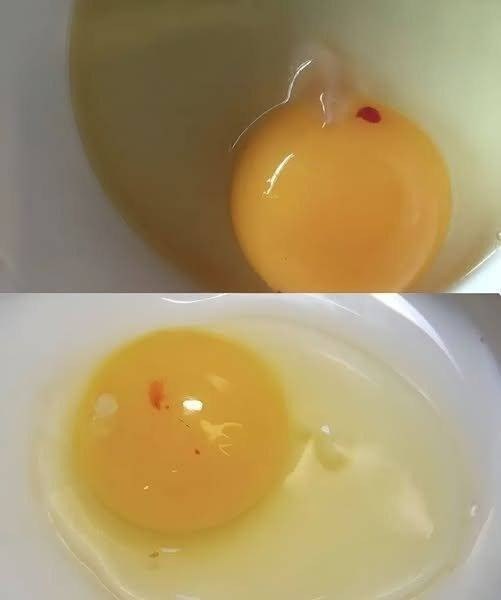
If an egg shows these signs, it’s best not to use it — no matter whether it has red spots.
—
## 🔍 How to Tell if an Egg Is Fresh
Here are a few simple freshness tests before cracking:
### 🥄 1. The Water Float Test
Fill a bowl with cold water and gently place your egg in it:
* **Sinks and lays flat:** Very fresh
* **Sinks but stands upright:** Still okay, less fresh
* **Floats:** Old — discard
Why this works: Eggs have an air cell that enlarges over time as moisture and carbon dioxide escape. Bigger air cells cause older eggs to float.
—
## 🍳 Cooking Tips to Minimize Concern
If you’re uneasy about red spots but still want to cook with the egg, here are a few tricks:
### ✔️ Remove the Spot
* Crack the egg into a separate bowl before adding to the pan.
* Use a spoon or knife tip to gently pick out the red spot. This works especially well in recipes where appearance matters (like sunny-side-up eggs).
### ✔️ Mix Thoroughly
