ADVERTISEMENT
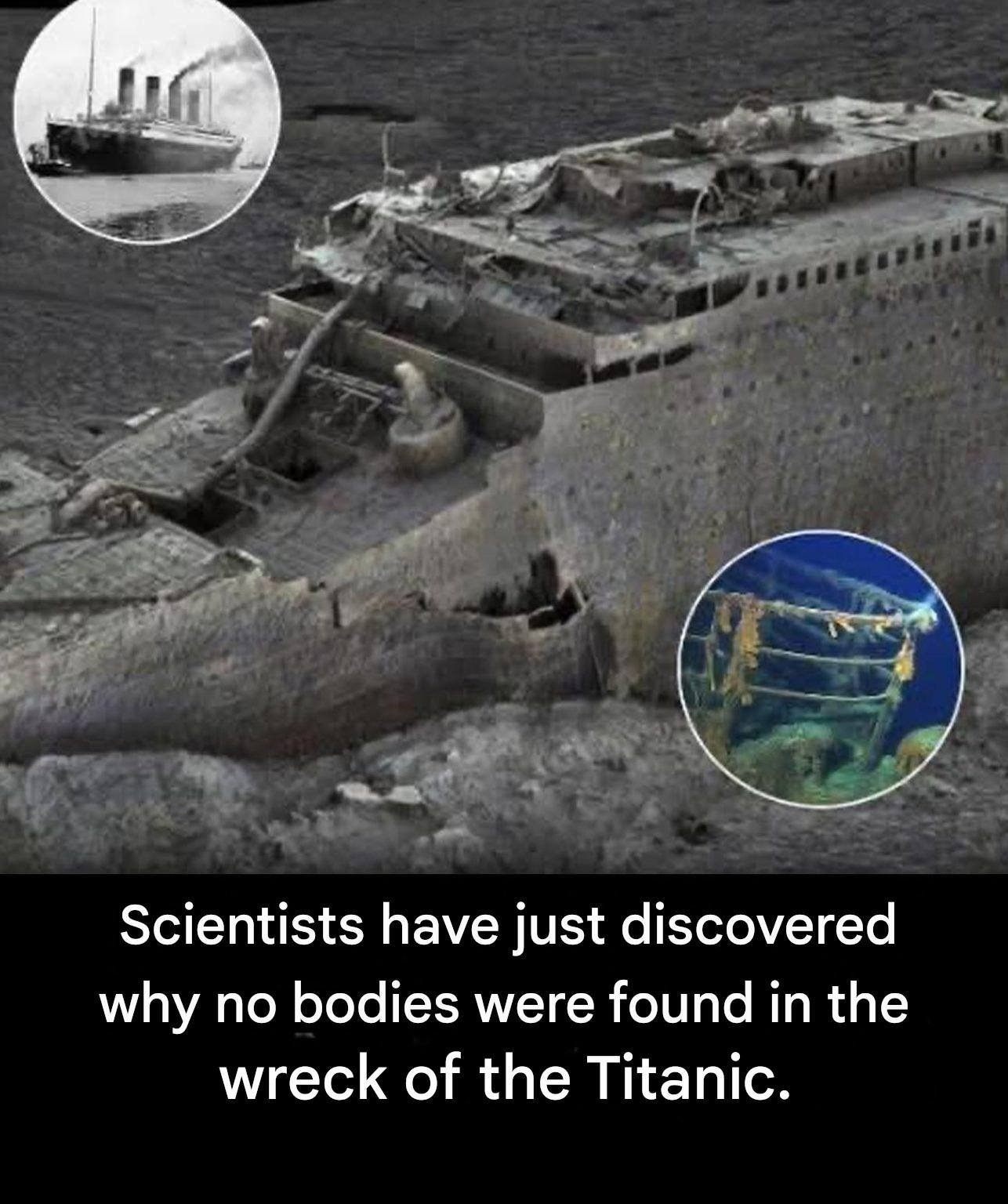
More than a century after the RMS Titanic slipped beneath the icy waters of the North Atlantic, the tragedy continues to haunt the human imagination. We know the numbers by heart: over 2,200 aboard, more than 1,500 lost, one of the deadliest maritime disasters in history. We have photographs of the ship before it sailed, survivor testimonies, recovered artifacts, even high-definition footage of the wreck itself resting silently on the ocean floor.
And yet, one question keeps resurfacing, unsettling and persistent:
Why were no bodies found in the wreck of the Titanic?
When explorers finally located the wreck in 1985—73 years after the disaster—many expected grim discoveries. After all, hundreds of passengers and crew went down with the ship. Logic suggests that at least some remains should still be there.
But they weren’t.
No intact human bodies were found inside the wreck. No skeletons lying in cabins. No preserved remains in the grand staircases or engine rooms. Only personal belongings—shoes, clothing, jewelry—silent echoes of lives abruptly cut short.
The absence feels eerie, almost mysterious. Some have even turned to conspiracy theories or supernatural explanations. But the real answer, while less sensational, is far more fascinating—and rooted in oceanography, biology, chemistry, and time.
